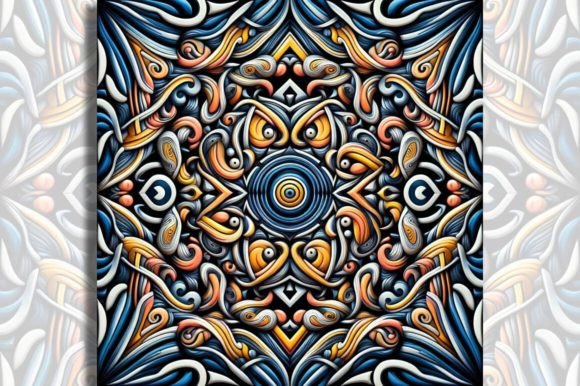
Exploring Illusionary Patterns: A Guide to Optical Art and Design
Illusionary patterns are a captivating form of visual design that plays tricks on the eye, creating the impression of depth, movement, or three-dimensionality using only flat, two-dimensional elements. These designs rely heavily on contrasting shapes, lines, and colors to manipulate perception. Whether you're an artist, marketer, educator, or content creator, understanding how to use illusionary patterns can elevate your work and engage audiences in unique ways.
These patterns are not just for decoration—they serve as powerful tools for communication, storytelling, and visual impact. However, there are common pitfalls that can undermine their effectiveness if not approached with care. This article will help you avoid those mistakes and make the most of illusionary patterns in your projects.
What Are Illusionary Patterns?
Illusionary patterns are visual compositions designed to create optical illusions. They often use geometric shapes, contrasting colors, and strategic placement to trick the brain into perceiving motion, depth, or texture where none actually exists. These patterns can be found in everything from digital art and graphic design to architecture and fashion.
The key to successful illusionary patterns lies in their ability to engage the viewer's mind. When done right, they invite curiosity, encourage closer inspection, and leave a lasting impression. That’s why they’re especially popular in branding, web design, and creative presentations.
Common Mistakes When Using Illusionary Patterns
While illusionary patterns can be incredibly effective, there are several common mistakes that people make when choosing or applying them. Here are some of the most frequent errors and how to avoid them:
Overcomplicating the Design
One of the biggest mistakes is using too many elements or overly complex patterns. This can confuse the viewer rather than captivate them. The goal of an illusionary pattern is to create a clear and striking visual effect, not to overwhelm the senses.
Better Approach: Start simple. Use a limited color palette and focus on a few key shapes or lines. Test your design at different sizes and distances to ensure it remains effective across various contexts.
Ignoring Context and Purpose
Not all illusionary patterns are suitable for every project. Choosing a pattern that doesn't align with the message or aesthetic of your design can lead to miscommunication or a jarring user experience.
Better Approach: Consider the context in which the pattern will be used. Will it be on a website, a poster, or a product? What emotions or ideas do you want to convey? Align your choice of pattern with these factors to enhance, rather than detract from, your overall message.
Misunderstanding Resolution and File Quality
Many people overlook the importance of resolution when downloading or printing illusionary patterns. A low-resolution image may look fine on a screen but will appear blurry or pixelated when printed, especially at larger sizes.
Better Approach: Always check the file specifications before downloading. Look for high-resolution files (like 300 dpi) that are suitable for print. If you're unsure, consult with a designer or use online tools to verify the quality of the image.
Using the Pattern Without Understanding Its Mechanics
Some creators use illusionary patterns without fully understanding how they work. This can lead to ineffective or even misleading designs. For example, using a pattern meant to create the illusion of movement in a static image might not have the desired effect if the surrounding elements don’t support it.
Better Approach: Study how different illusionary patterns work. Understand the principles behind them—such as contrast, repetition, and perspective—and apply them thoughtfully. Experiment with small samples before committing to a full-scale design.
How to Choose the Right Illusionary Pattern for Your Project
Selecting the right illusionary pattern involves more than just picking something visually appealing. It requires considering several factors, including the intended audience, the medium of use, and the overall design goals.
- Know Your Audience: Different age groups and cultures may perceive illusions differently. Consider who will be viewing your design and what kind of visual effects will resonate with them.
- Consider the Medium: Some patterns work better digitally, while others are more effective in print. Make sure the pattern you choose is appropriate for the format you're working with.
- Test and Iterate: Don’t assume a pattern will work perfectly the first time. Test it in different environments and make adjustments based on real-world feedback.
Real-World Examples and Applications
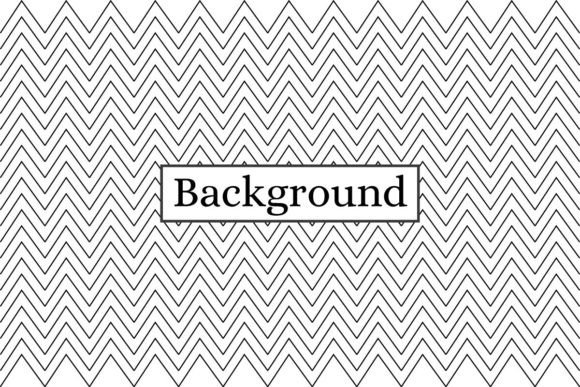
Illusionary patterns have a wide range of applications. For instance, a marketer might use an illusionary background on a website to draw attention to a call-to-action button. An educator could incorporate illusionary patterns into teaching materials to illustrate optical phenomena. Even small business owners can benefit by using these patterns in logos, packaging, or promotional materials to stand out from the competition.
A practical example is using a checkerboard-like pattern to create the illusion of movement on a landing page. This subtle effect can guide the viewer's eye toward important information without being distracting.
Final Tips for Working with Illusionary Patterns
Whether you're a beginner or a seasoned designer, here are a few final tips to keep in mind when working with illusionary patterns:
- Keep the design clean and focused. Avoid cluttering the space with too many competing elements.
- Use high-quality files for both digital and print use. Low-resolution images can ruin the effect of even the best-designed patterns.
- Understand the psychology behind optical illusions. This knowledge will help you create more impactful and meaningful designs.
- Experiment with different variations of the same pattern to find what works best for your specific project.
By avoiding common mistakes and approaching illusionary patterns with intention and understanding, you can unlock their full potential and create designs that surprise, engage, and inspire your audience.