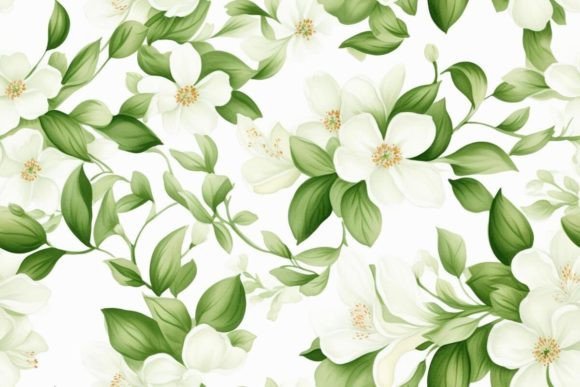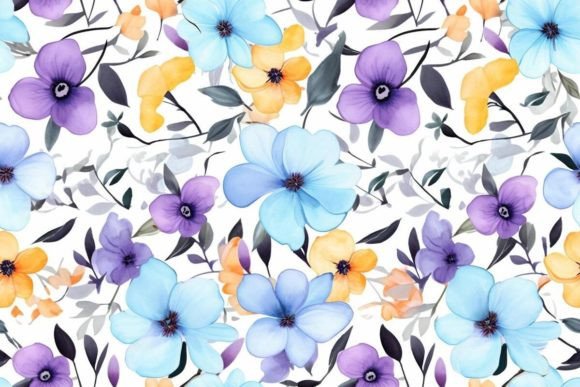
Fashion Design Motif Blooming Patterns: A Creative Resource for Modern Textiles
In the dynamic world of textile and apparel design, finding unique visual elements that can elevate a collection is often the difference between a standard garment and a standout piece. Fashion Design Motif Blooming Patterns represent a specific category of digital assets designed to capture the organic, expanding beauty of nature through structured digital art. These motifs are not merely decorative; they serve as foundational elements for creating depth, texture, and narrative within fashion projects. Whether you are a seasoned fashion house looking to refresh a seasonal line or an independent creator building a portfolio, understanding the utility and application of these blooming designs is essential.
Understanding the Essence of Blooming Motifs
At its core, a "blooming pattern" in fashion design refers to imagery that mimics the natural progression of a flower opening or a plant expanding outward. Unlike rigid geometric repeats or static illustrations, blooming motifs possess a sense of movement and growth. They often feature radiating lines, layered petals, and gradients that draw the eye toward a central focal point. This design philosophy aligns with the cyclical nature of seasons, making it particularly relevant for spring and summer collections, though its versatility allows for year-round adaptation.
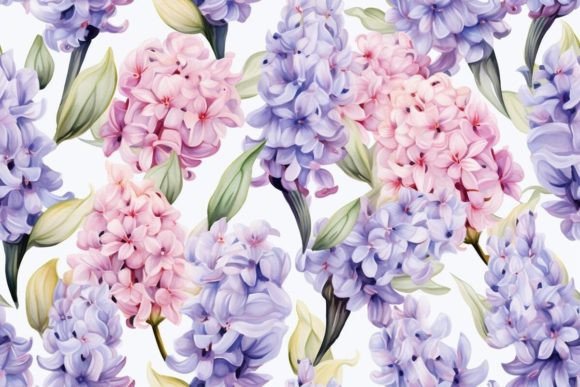
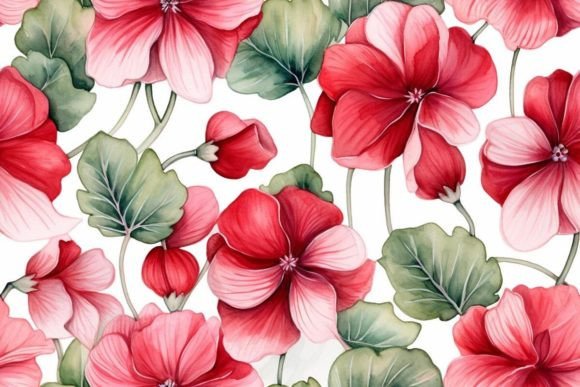
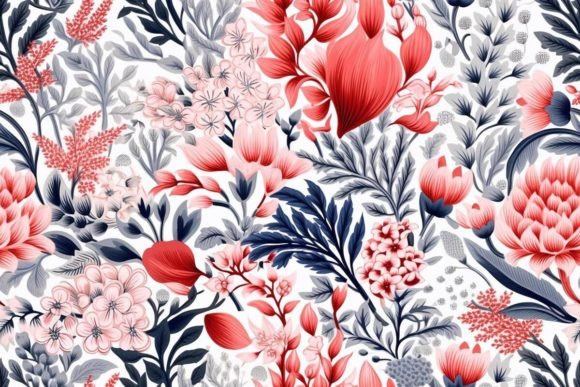
The term Fashion Design Motif Blooming Patterns encompasses a variety of digital files intended for immediate integration into design workflows. These assets typically come in high-resolution formats, such as JPG, ensuring that the intricate details of the floral or abstract structures remain crisp when scaled up for large prints or down for small accessories. The visual language of these patterns is one of elegance and fluidity, offering designers a way to introduce softness and complexity without having to sketch every element from scratch.
Key Characteristics and Features
When evaluating a set of Fashion Design Motif Blooming Patterns, several distinct characteristics define their quality and potential use:
- Organic Flow: The arrangement of elements follows natural curves rather than strict grids, allowing the pattern to drape beautifully over fabric folds.
- High Resolution: Professional-grade files ensure that no pixelation occurs during the printing process, which is critical for luxury textiles.
- Thematic Consistency: While individual images may vary, a cohesive set maintains a unified color palette and stylistic approach, facilitating the creation of matching looks.
- Scalability: These motifs are designed to work at various scales, from all-over prints on dresses to subtle accents on collars or cuffs.
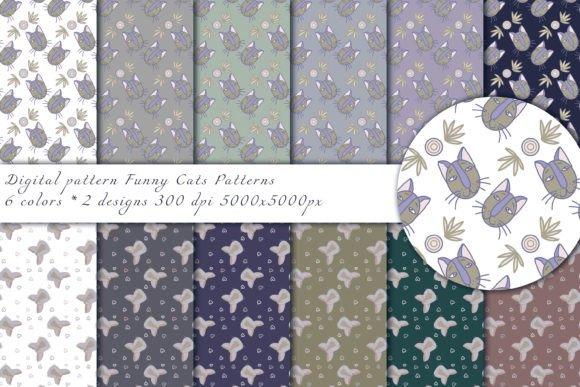
It is important to note that while titles associated with digital assets can sometimes be generic or misleading, the true value lies in the visual content itself. Users should focus on analyzing the actual imagery provided in the files rather than relying solely on descriptive metadata. The visual composition determines how well the motif will integrate into a final product.
Practical Applications in Fashion and Beyond
The versatility of Fashion Design Motif Blooming Patterns extends far beyond simple clothing decoration. Their primary application is in textile printing, where they can be applied to silk, cotton, denim, and synthetic blends using methods like screen printing, digital sublimation, or rotary printing. However, the scope of their utility is much broader.
Apparel Design: For fashion designers, these motifs offer a quick way to generate print-ready artwork. A designer might use a large-scale blooming motif for a statement evening gown, creating a dramatic focal point, or tile a smaller version of the pattern for a lightweight scarf. The ability to manipulate the scale and repetition of the image allows for endless customization.
Accessories and Home Textiles: The aesthetic appeal of blooming patterns makes them ideal for accessories such as handbags, hats, and scarves. Furthermore, the same motifs can be adapted for home decor items like cushion covers, bed linens, and curtains. In interior design, these patterns bring a touch of nature indoors, creating spaces that feel alive and vibrant.
Digital Media and Branding: In the age of e-commerce and social media marketing, visual consistency is key. Brands can utilize these high-quality images for website backgrounds, lookbook covers, and promotional graphics. The organic nature of the design helps brands convey messages of growth, renewal, and sustainability, resonating deeply with modern consumers who value ethical and natural themes.
Who Benefits from These Resources?
The utility of Fashion Design Motif Blooming Patterns spans across various professional and personal sectors:
- Independent Designers: Freelancers and boutique owners often operate with limited budgets and tight deadlines. Access to pre-designed, high-quality motifs allows them to produce professional-looking collections without investing time in creating every graphic from zero.
- Textile Manufacturers: Production houses can use these assets as starting points for new product lines, reducing the prototyping phase and accelerating time-to-market.
- Students and Educators: Fashion students can study these patterns to understand composition, color theory, and the mechanics of repeating patterns. Educators can use them as teaching aids to demonstrate how digital assets translate to physical garments.
- Hobbyists and DIY Enthusiasts: Those who enjoy sewing or customizing clothing can download these files to create personalized items, adding a unique flair to their wardrobe.
Evaluating Suitability for Your Project
While these resources are powerful tools, it is crucial to evaluate their suitability before integrating them into a project. Not every blooming pattern will fit every design brief. When selecting a motif, consider the following factors:
Color Compatibility: Does the color palette of the motif complement your chosen fabric? A vibrant, multi-colored bloom might overwhelm a delicate chiffon, whereas a monochromatic or pastel version might provide the perfect subtle accent.
Scale and Proportion: Consider the intended size of the final product. A pattern that looks stunning on a full-screen print might appear cluttered if reduced to the size of a pocket square. Always test the pattern at different scales to ensure clarity and balance.
Technical Limitations: Ensure that the file format (typically JPG) meets the technical requirements of your printing method. Some printing processes require vector files for sharp edges, while others handle raster images like JPG perfectly well. Understanding the limitations of your production equipment is vital for achieving the best results.
Navigating Expectations and Best Practices
One of the most common misconceptions regarding digital asset packs is that the title perfectly describes every single image within. As noted in many resource descriptions, titles can be randomly generated and may not always reflect the specific nuances of the images inside. Therefore, the most effective approach is to open the files and inspect the visuals directly. Look for variations in style, color intensity, and complexity. A diverse pack offers more flexibility, allowing you to mix and match different blooms to create a unique narrative.
Furthermore, while these assets provide a strong foundation, they are rarely the final product. To truly stand out, designers should treat these motifs as raw material. Adjustments in hue, saturation, and opacity can transform a generic pattern into something bespoke. Combining multiple blooming motifs with other textures or solid colors can add layers of sophistication that a single image cannot achieve on its own.
Community and Feedback: The value of digital resources is often enhanced by community interaction. Many creators encourage users to leave reviews and feedback after utilizing the assets. This practice helps build a repository of knowledge about what works and what doesn't. By engaging with the community, designers can discover tips and tricks for using Fashion Design Motif Blooming Patterns more effectively, fostering a supportive environment for creativity.
Conclusion
Fashion Design Motif Blooming Patterns offer a bridge between the natural world and the structured realm of fashion design. They provide a versatile toolkit for professionals and enthusiasts alike, enabling the creation of visually stunning and emotionally resonant products. By focusing on the intrinsic qualities of the images—rather than just the labels attached to them—designers can unlock the full potential of these assets.
Whether used to craft a high-end runway collection, a sustainable home textile line, or a personal creative project, these motifs serve as a testament to the enduring beauty of nature. As the industry continues to evolve, the ability to adapt and integrate such organic elements remains a hallmark of innovative design. For those seeking to add a touch of floral elegance and structural depth to their work, exploring these patterns is a logical and rewarding step forward.