Integrating Floral Decor Nature Patterns into Modern Design Spaces
The intersection of organic aesthetics and structured design has given rise to a versatile visual language known as Floral Decor Nature Patterns. These designs are far more than simple background textures; they represent a sophisticated method of bringing the complexity and beauty of the natural world into built environments. Whether utilized by professional interior designers, digital content creators, or homeowners looking to refresh a living space, these patterns offer a unique blend of tranquility and visual interest. The core appeal lies in their ability to soften rigid architectural lines while maintaining a sense of order through repetition and symmetry.
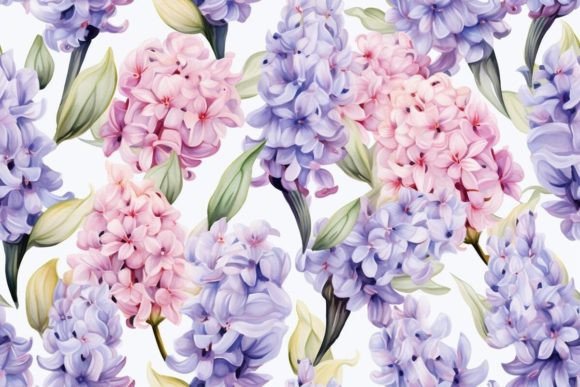
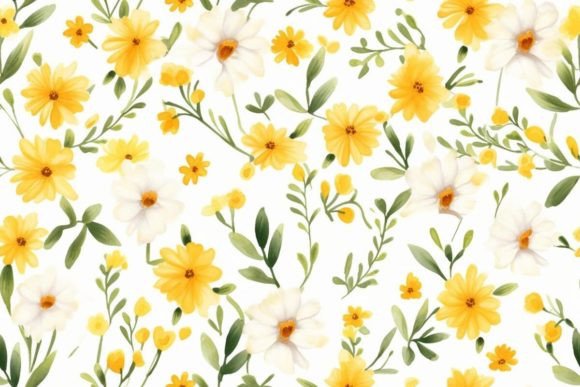
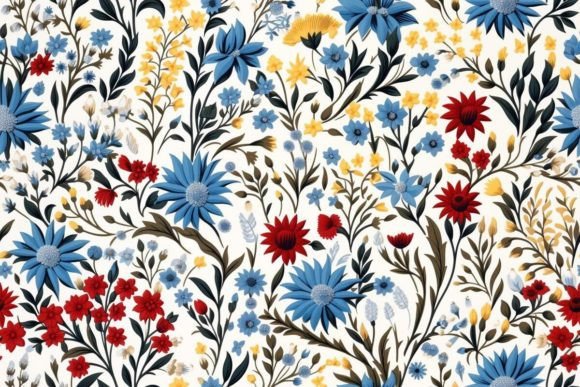
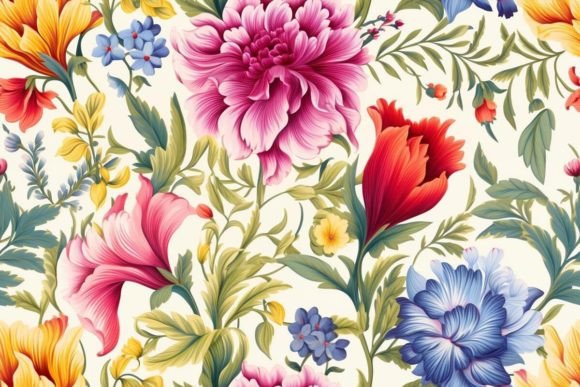
When analyzing the current landscape of design resources, it becomes evident that high-quality imagery is the cornerstone of successful implementation. In many digital asset collections, such as those containing Floral Decor Nature Patterns, the primary value often resides in the photographic fidelity rather than the accompanying metadata titles. Titles can sometimes be misleading or overly generic, failing to capture the specific botanical species or the artistic style employed. Consequently, professionals must rely on visual inspection of the product images to determine suitability. This article explores the multifaceted applications of these nature-inspired motifs, examining how they serve diverse audiences ranging from educators to business owners.
The Visual Language of Organic Repetition
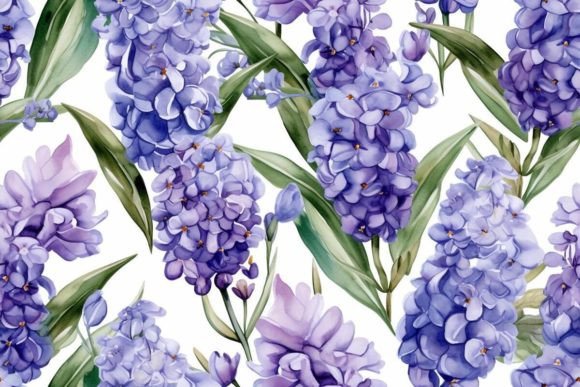
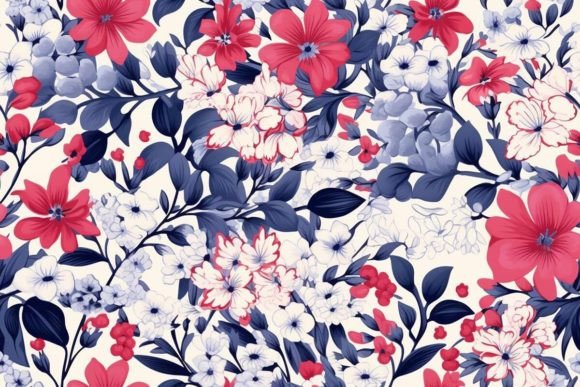
At its heart, a floral pattern is a study in rhythm. Unlike abstract geometric shapes, which impose a human-made order, floral designs mimic the irregular yet harmonious growth found in ecosystems. The term Floral Decor Nature Patterns encompasses a wide spectrum of styles, from hyper-realistic botanical illustrations that resemble 18th-century scientific journals to stylized, minimalist line drawings that suggest leaves and stems without detailing every petal. This variation allows for immense flexibility in application.
For the professional decorator, understanding the scale of the pattern is crucial. A large-scale print featuring oversized roses might overwhelm a small bedroom but could create a dramatic focal point in a grand foyer. Conversely, a micro-pattern of tiny wildflowers works exceptionally well on upholstery, creating a rich texture that is visible only upon close inspection. The dynamic nature of these designs means they can adapt to various spatial requirements. When applied correctly, they do not merely decorate a surface; they transform the atmosphere of a room, introducing a psychological sense of calm associated with being outdoors.
Bridging Indoor and Outdoor Environments
One of the most significant advantages of incorporating nature-based imagery into interiors is the blurring of boundaries between inside and outside. In urban environments where access to green spaces is limited, Floral Decor Nature Patterns serve as a vital visual bridge. By utilizing wall coverings, textiles, or digital backdrops that feature lush foliage and blooming flora, designers can evoke the feeling of a garden sanctuary within a concrete structure. This concept is particularly relevant in hospitality design, where hotels and restaurants aim to provide an escape from the city's hustle.
The effectiveness of this approach relies heavily on color theory. Earthy tones like sage green, terracotta, and deep moss pair naturally with floral elements, grounding the design. However, modern interpretations often introduce unexpected pops of color—vibrant teals or coral accents—to create a contemporary feel. This evolution ensures that nature patterns remain relevant to current trends rather than feeling dated or overly traditional. For instance, a digital creator might use a high-resolution image of a fern pattern as a backdrop for a presentation slide, instantly elevating the visual hierarchy and engaging the audience with organic forms.
Diverse Applications Across Industries
The utility of nature-inspired patterns extends well beyond residential decoration. Their versatility makes them a staple tool for various sectors, each leveraging the imagery for specific strategic goals. Understanding these distinct use cases highlights the broad relevance of Floral Decor Nature Patterns in the modern economy.
- Interior Architecture and Real Estate: Staging experts frequently utilize large-scale floral murals to highlight architectural features or make empty rooms feel lived-in and inviting. The presence of nature signals warmth and comfort to potential buyers, often influencing purchasing decisions subconsciously.
- Educational Materials: Teachers and curriculum developers use botanical illustrations to teach biology, art history, and even mathematics (through symmetry and geometry). High-quality images allow students to observe details that standard textbook diagrams might obscure.
- Brand Identity and Packaging: Eco-conscious brands increasingly turn to floral motifs to communicate sustainability and natural ingredients. A cosmetic company selling organic skincare might choose packaging adorned with subtle lavender or chamomile patterns to reinforce their commitment to nature-derived products.
- Digital Content Creation: Bloggers, YouTubers, and social media influencers utilize these patterns as overlays, backgrounds, and graphic elements. They add a layer of professionalism and aesthetic cohesion to digital portfolios, making content stand out in crowded feeds.
In each of these scenarios, the quality of the source material is paramount. As noted in many digital asset descriptions, the title provided may not accurately reflect the content. Therefore, the decision-making process for professionals must prioritize the visual evidence. A file named "Vintage Flowers" might actually contain a chaotic mix of tropical plants, while a file titled "Modern Abstract" could hide a delicate watercolor rose. Careful scrutiny of the preview images ensures that the final output aligns with the intended message.
Textural Depth in Digital and Physical Media
The transition from physical to digital media has changed how we perceive texture. In the physical world, a floral wallpaper offers tactile depth; the embossing catches the light differently than the flat paper. In the digital realm, Floral Decor Nature Patterns simulate this depth through shading, gradients, and high-resolution detail. When used in web design or app interfaces, these patterns can guide user attention. A soft, blurred floral background can reduce cognitive load, allowing users to focus on the primary content, while a sharp, detailed pattern can serve as a bold call-to-action element.
Furthermore, the integration of these patterns into mixed-media projects allows for creative experimentation. An artist might overlay a scanned photograph of a pressed flower onto a vector-generated leaf pattern, creating a hybrid texture that feels both organic and constructed. This technique is popular in editorial design, where magazines seek to break away from the uniformity of grid-based layouts. The result is a publication that feels handcrafted and personal, appealing to readers who value authenticity.
Considerations for Implementation and Sourcing
While the aesthetic benefits are clear, successfully integrating nature patterns requires careful consideration of technical and ethical factors. One of the primary challenges is resolution. A pattern that looks stunning on a mobile screen may appear pixelated when printed on a large banner. Professionals must ensure that the files they select are high-resolution enough to withstand scaling. This is particularly important for Floral Decor Nature Patterns where fine details, such as the veins of a leaf or the stamen of a flower, contribute significantly to the overall impact.
Another critical aspect is the context of usage. While floral motifs are generally positive, certain cultural or historical contexts may assign specific meanings to particular flowers. For example, using lilies in a design intended for a somber occasion might be appropriate, whereas using them in a celebratory context could be misinterpreted depending on the region. Educators and researchers should also be mindful of accuracy. If a pattern is used to illustrate a specific plant species, the botanical accuracy of the image is essential to maintain credibility.
Sourcing remains a key decision point. Many online repositories offer vast libraries of these assets, often packaged in ZIP files containing multiple formats. As mentioned in typical download instructions, the contents may include JPG files with randomly generated titles. This underscores the need for a robust review process before purchase or download. Users should verify the license agreements to ensure the images can be used for commercial purposes if required. Some platforms encourage community engagement, asking users to leave reviews or follow accounts for updates. While this feedback loop helps curate better content, the individual responsibility to vet the visual quality remains with the user.
The Psychological Impact of Natural Imagery
Research in environmental psychology suggests that exposure to images of nature can reduce stress and improve cognitive function. This phenomenon, often referred to as biophilia, explains why Floral Decor Nature Patterns are so effective in therapeutic settings, hospitals, and offices. By surrounding individuals with representations of the natural world, designers can foster a sense of well-being. This is not merely about adding a pretty picture; it is about creating an environment that supports mental health.
In educational settings, classrooms decorated with nature patterns have been observed to help children with ADHD maintain focus better than sterile, white-walled rooms. The gentle, non-threatening nature of floral designs provides a soothing backdrop that does not compete with the learning material. Similarly, in corporate environments, meeting rooms featuring subtle botanical themes can facilitate calmer discussions and more collaborative problem-solving sessions. The pattern acts as a silent mediator, reducing the tension often associated with high-stakes meetings.
Adapting to Seasonal Trends
One of the most practical advantages of using digital or interchangeable pattern assets is the ability to adapt to seasonal changes. Businesses can update their branding materials or store displays by swapping out a spring-themed floral pattern for a winter berry motif without repainting walls or replacing furniture. This agility is invaluable for retail businesses that want to keep their storefronts fresh and relevant throughout the year. The ability to toggle between different Floral Decor Nature Patterns allows for a dynamic marketing strategy that responds quickly to consumer sentiment and seasonal shifts.
Moreover, the cyclical nature of seasons reflected in these patterns resonates deeply with human experience. Seeing the progression from budding blooms to full harvest colors in a design narrative can create a compelling story for a brand. It connects the product or service to the larger rhythm of life, adding emotional depth to the visual identity. This storytelling capability transforms a simple decorative element into a powerful communication tool.
Conclusion on Visual Integration
The enduring popularity of floral designs speaks to a fundamental human desire to connect with the natural world. Whether through high-resolution photography, intricate illustrations, or stylized graphics, Floral Decor Nature Patterns offer a rich palette for creative expression. From the boardroom to the classroom, from the website homepage to the nursery wall, these patterns provide a versatile solution for enhancing visual appeal and fostering positive atmospheres. Success in their application depends on a keen eye for detail, an understanding of scale and context, and a commitment to sourcing high-quality imagery. As the demand for sustainable and nature-centric design continues to grow, the role of these patterns will undoubtedly expand, offering new avenues for innovation across all creative disciplines.