Unlocking the Beauty of Botanical Art Blooming Patterns in Your Creative Workflow
In the world of digital design and creative illustration, few subjects offer as much visual richness and technical challenge as Botanical Art Blooming Patterns. Whether you are a graphic designer looking to add texture to a packaging project, an interior decorator seeking unique wall art concepts, or a hobbyist eager to explore the intersection of nature and digital media, understanding these intricate designs is essential. The allure lies not just in the aesthetic appeal of flowers, but in the mathematical precision and organic flow that define their blooming structures.
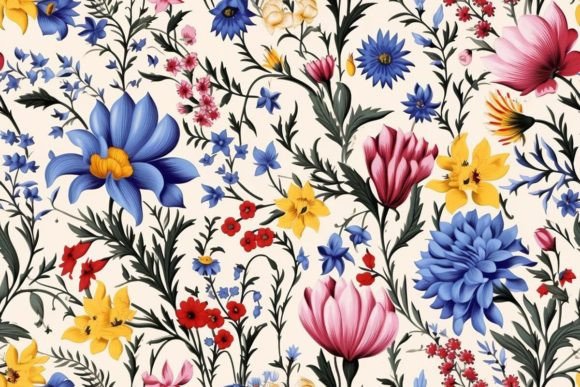
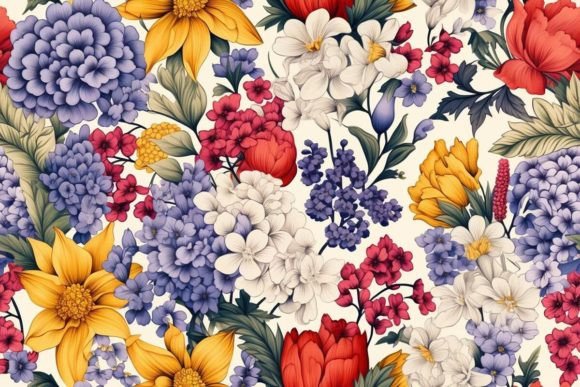
When we talk about Botanical Art Blooming Patterns, we are referring to a specific collection of high-resolution assets designed to capture the ephemeral beauty of flora in full bloom. These patterns are more than simple background textures; they are complex compositions that mimic the natural spirals, radial symmetry, and layered petals found in gardens across the globe. By integrating these elements into your projects, you bring a sense of life and authenticity that stock photography often struggles to replicate with the same level of artistic control.
The Anatomy of a Perfect Floral Pattern
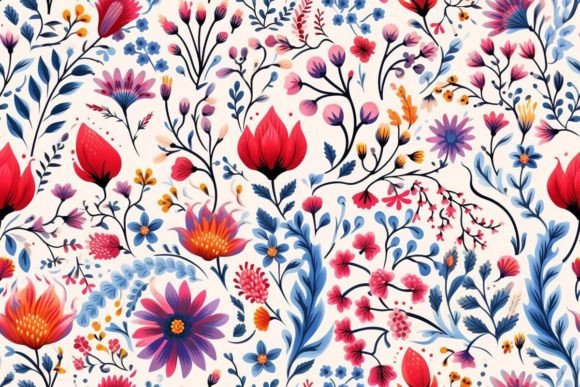
To truly appreciate the value of this collection, one must look beyond the surface. A high-quality botanical pattern is defined by its ability to seamlessly repeat without visible seams, creating an infinite tapestry of color and form. The files included in this set are crafted with this specific functionality in mind. Each JPG file serves as a versatile tool, offering designers the freedom to scale, rotate, and layer these images to suit various applications.
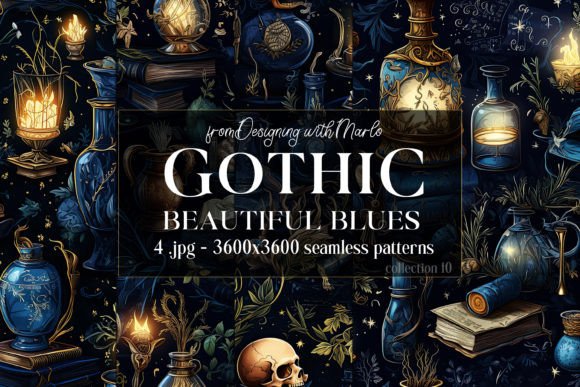
Note on Usage: While the titles associated with these files may be randomly generated and sometimes misleading, the true value is found entirely within the visual content itself. Do not let a generic name deter you from exploring the potential of the image. Instead, focus on the product images—the vibrant hues, the delicate gradients, and the precise rendering of leaves and stems. This approach ensures that you select assets based on their actual utility rather than arbitrary metadata.
Why Focus on the Visuals?
In the realm of digital asset management, context is everything. A title might say "Spring Daisy," but the image could feature a complex arrangement suitable for a Victorian-era wedding invitation or a modern wellness app interface. By prioritizing the visual inspection of the files, you gain a deeper understanding of how Botanical Art Blooming Patterns can adapt to different themes. The flexibility of these JPG formats allows for easy integration into Photoshop, Illustrator, or even web development environments where CSS backgrounds are required.
Integrating Nature into Modern Design Projects
The demand for organic aesthetics has never been higher. In an era dominated by flat design and minimalist interfaces, there is a growing counter-movement towards rich, detailed, and textured visuals. Botanical Art Blooming Patterns sit perfectly at the heart of this trend. They provide the depth and complexity that modern users crave while maintaining a clean, structured layout.
Consider the fashion industry. Designers frequently utilize floral motifs to create fabric prints that tell a story. When you use high-fidelity Botanical Art Blooming Patterns, you ensure that the print quality remains crisp even when scaled up to full-width garments. The clarity of the JPG files guarantees that the fine details of the petals are preserved, preventing the pixelation that often ruins large-scale textile production.
Similarly, in the realm of branding and packaging, these patterns offer a distinct competitive edge. A coffee brand aiming to highlight its organic origins might choose a subtle, repeating pattern of blooming herbs for its box design. A skincare line focused on natural ingredients could use a lush, garden-inspired background to convey freshness and purity. The key here is the ability to customize the opacity and blending modes of the images, allowing them to enhance the primary message without overwhelming it.
Practical Applications Across Industries
Beyond fashion and packaging, the utility of these patterns extends into several other sectors. Let's explore some practical scenarios where Botanical Art Blooming Patterns can transform a project.
- Interior Design and Wall Coverings: Architects and decorators are increasingly turning to digital wallpapers that mimic hand-painted murals. The seamless nature of these patterns makes them ideal for printing large sections of wallpaper without visible breaks. The result is a cohesive, immersive environment that brings the outdoors inside.
- Digital Illustration and Storytelling: For children's book authors and comic artists, these assets serve as excellent base layers. By placing characters against a backdrop of Botanical Art Blooming Patterns, illustrators can instantly establish a setting—a magical forest, a royal garden, or a quiet meadow—without having to draw every leaf from scratch.
- Web and Mobile UI Design: User interfaces benefit from the calming effect of nature. Soft, blooming patterns can be used as headers or section dividers in websites related to health, education, or lifestyle. They guide the user's eye and reduce cognitive load by providing a familiar, soothing visual anchor.
Choosing the Right Assets for Your Needs
When selecting from a collection like this, it is crucial to have a clear strategy. Since the file names may not accurately reflect the content, the selection process becomes an exercise in visual curation. Here are some factors to consider before downloading or using these assets:
- Resolution and Scalability: Always check the dimensions of the JPG files. If you plan to use the pattern for print media, ensure the resolution is at least 300 DPI. For web use, 72 DPI is standard, but larger dimensions allow for responsive scaling.
- Color Palette Compatibility: Does the pattern fit your existing color scheme? Botanical Art Blooming Patterns often come in a variety of tones, from deep greens and earthy browns to bright pinks and yellows. Ensure the colors complement rather than clash with your primary design elements.
- Complexity Level: Some patterns are dense and busy, while others are sparse and airy. Match the complexity of the pattern to the purpose of your project. A busy pattern might work well for a background, but a simpler design is better if you need to overlay text or important graphics.
Maximizing the Potential of Your Collection
Once you have acquired your files, the real work begins. To get the most out of your Botanical Art Blooming Patterns, experiment with layering techniques. Try blending multiple patterns together with different opacity settings to create a unique, multi-layered texture. You can also mask parts of the image to reveal underlying colors or shapes, adding a dynamic element to your composition.
Another powerful technique is to desaturate the colors or apply filters to match a specific mood. A vibrant, colorful pattern can be toned down to a monochromatic grayscale to create a sophisticated, timeless look. Conversely, boosting the saturation can make the blooms pop, perfect for promotional materials that need to grab attention immediately.
Community and Continuous Improvement
The journey of finding the perfect digital assets is often collaborative. Creators and designers alike thrive on feedback and shared experiences. If you find a particular pattern that works wonders for your workflow, sharing your experience helps others discover hidden gems within the collection. This is why leaving a review is so valuable. It guides future users in identifying which images hold the most promise and which ones might require a bit more tweaking.
Your engagement does not stop at the download. Following creators who specialize in high-quality botanical assets ensures you stay updated on new releases and variations. The field of digital nature art is constantly evolving, with new styles and techniques emerging regularly. By staying connected, you position yourself at the forefront of design trends, ready to incorporate the latest Botanical Art Blooming Patterns into your portfolio.
Final Thoughts on Creative Integration
Ultimately, the success of any design project lies in the thoughtful integration of its components. Botanical Art Blooming Patterns offer a bridge between the chaotic beauty of the natural world and the structured demands of digital design. They provide a foundation upon which creativity can flourish, allowing you to build worlds that feel both grounded and fantastical.
Remember to look past the titles and dive straight into the imagery. The true essence of these files is in their visual language—the way light hits a petal, the curve of a stem, and the rhythm of the bloom. By focusing on these details, you unlock a world of possibilities that can elevate your work from ordinary to extraordinary. Whether you are crafting a digital masterpiece or a physical product, let the elegance of nature guide your hand.
If you enjoy these resources, please support the community by leaving a review. Your feedback helps shape the future of these collections and encourages the creation of even more diverse and high-quality assets. Follow us for more products that blend the organic with the digital, and keep pushing the boundaries of what is possible in your creative endeavors.