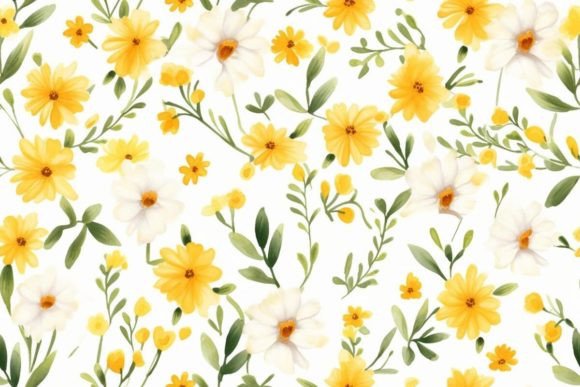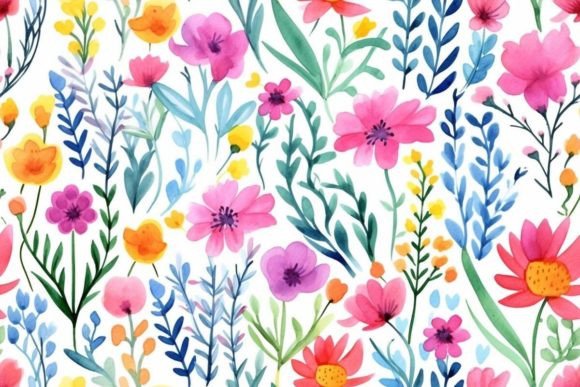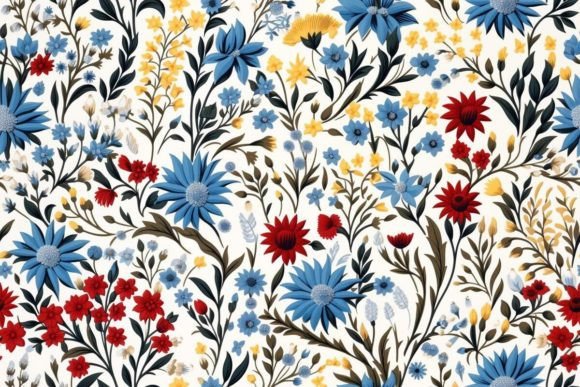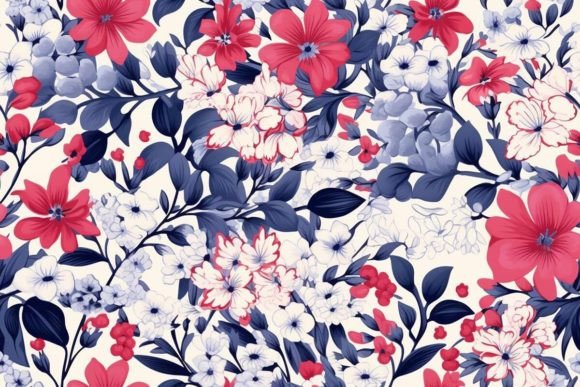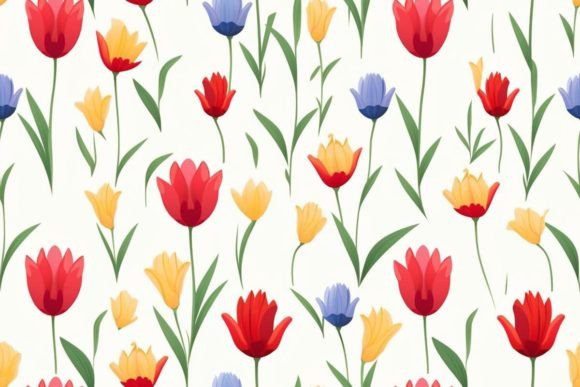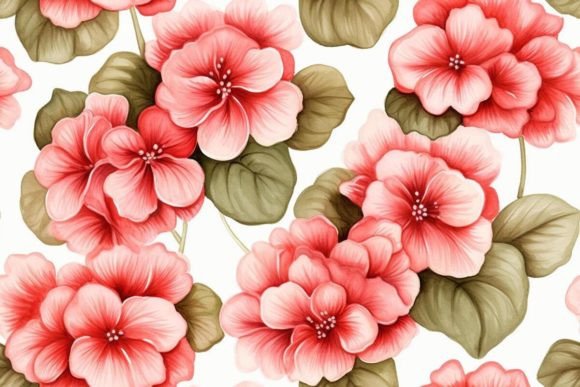
Ornamental Design Nature Patterns
In an era where digital noise drowns out meaningful messages, Ornamental Design Nature Patterns emerge as a powerful tool to ground brands in authenticity and evoke a deep sense of connection with their audience.
These intricate visual motifs do more than just decorate; they serve as the silent language of your brand identity. By weaving organic forms into your creative assets, you bridge the gap between modern aesthetics and timeless elegance. Whether you are refining a brand identity or crafting a social media graphic, the strategic use of these patterns can transform a flat design into a tactile experience that resonates on a psychological level.
The Strategic Value of Organic Motifs
From a professional graphic design perspective, incorporating nature-inspired elements is about more than following a trend; it is about leveraging visual psychology. The human brain is wired to respond positively to organic shapes and natural textures. When applied correctly, Ornamental Design Nature Patterns create a calming effect that reduces cognitive load, making them ideal for UI design and UX design contexts where user retention is critical.
Unlike rigid geometric structures, these patterns offer fluidity and movement. They allow designers to establish a unique visual hierarchy without relying solely on typography or bold color blocking. This balance is essential for creating a polished and professional presentation that feels both modern and approachable.
Practical Applications Across Industries
The versatility of nature-based ornamentation extends far beyond simple background textures. Here is how top-tier creators integrate these assets into diverse workflows:
- Branding and Logo Design: Subtle leaf or vine motifs can add sophistication to a logo design, signaling eco-friendliness or artisanal quality without overpowering the primary symbol.
- Packaging Design: On physical products, these patterns elevate unboxing experiences. They turn a standard box into a premium gift, enhancing perceived value through texture and detail.
- Editorial and Print Design: In magazines and brochures, ornamental borders guide the reader's eye, framing content beautifully while maintaining readability.
- Digital Marketing Campaigns: For web design and landing pages, soft floral or botanical backgrounds can soften the commercial tone of advertising campaigns, fostering trust and engagement.
- Mechandise and Merch: Applying these designs to apparel or stationery creates cohesive product lines that tell a consistent story.
Evaluating Quality and Usability
Not all pattern files are created equal. When sourcing creative assets for your next project, it is crucial to look beyond the initial visual appeal. A high-quality file should offer scalability, ensuring that the intricate details remain crisp whether printed on a business card or scaled up for a large banner.
Consider the color palette compatibility. Does the pattern adapt well to your existing brand colors? A versatile design allows for easy recoloring to match specific campaign themes while retaining its structural integrity. Furthermore, check the file format; vector-based options provide the ultimate flexibility for editing, whereas high-resolution rasters ensure clarity for print production.
Integrating Typography and Composition
The success of any design lies in the harmony between elements. When using Ornamental Design Nature Patterns, it is vital to ensure that the text remains legible. Avoid placing dense patterns directly behind body copy; instead, use them as framing devices or in negative space areas.
Pair these organic visuals with complementary typography. A serif font often pairs beautifully with classical botanical patterns, evoking a sense of heritage and luxury. Conversely, a clean sans-serif typeface can modernize a traditional motif, creating a fresh, contemporary look suitable for tech or lifestyle brands. Always test your composition to ensure the visual weight is balanced, preventing the pattern from becoming a distraction rather than a support.
Ultimately, the goal is to enhance communication, not obscure it. Thoughtful integration of these designs improves user engagement by providing a visually rich environment that invites exploration. By selecting the right assets and applying them with intention, designers can craft experiences that are not only beautiful but also effective in driving results.
Investing in high-quality design inspiration pays dividends across every touchpoint of your creative workflow. From the first click on a website to the final fold of a brochure, the subtle influence of nature-driven ornamentation leaves a lasting impression of professionalism and care.