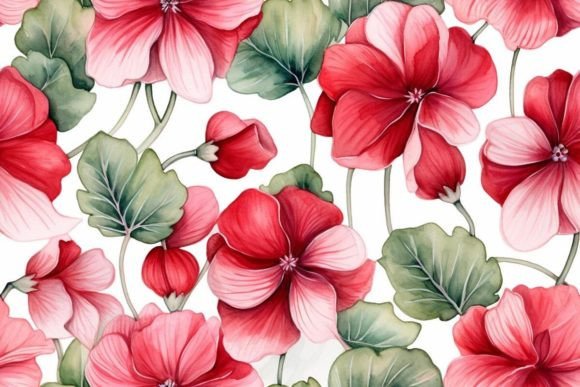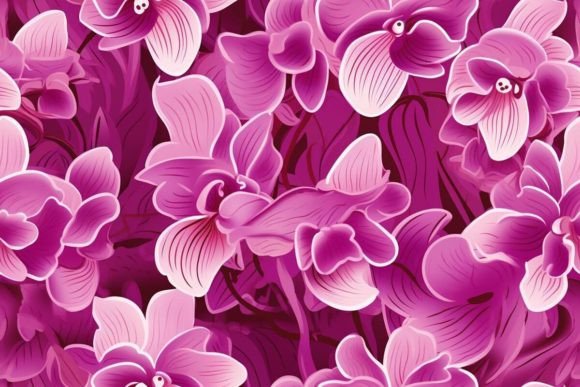
Plant Patterns Tile Floral Wallpaper: A Strategic Asset for Visual Workflows
In the realm of digital design and physical space planning, few elements are as versatile or impactful as Plant Patterns Tile Floral Wallpaper. This asset is not merely a decorative choice; it represents a specific texture and rhythm that can fundamentally alter the perception of a workspace, a portfolio presentation, or a creative project. For professionals ranging from entrepreneurs to educators, integrating high-quality botanical motifs into a workflow requires more than just aesthetic appreciation. It demands an understanding of how these patterns function within a broader visual hierarchy.
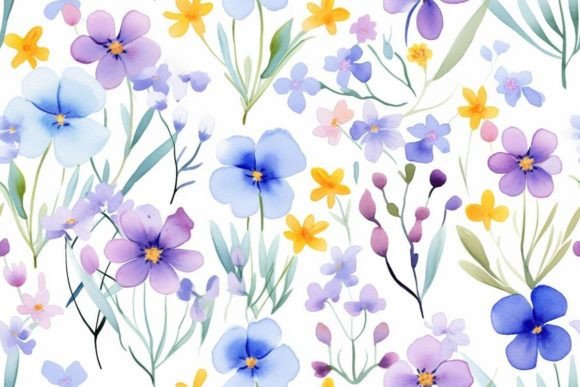
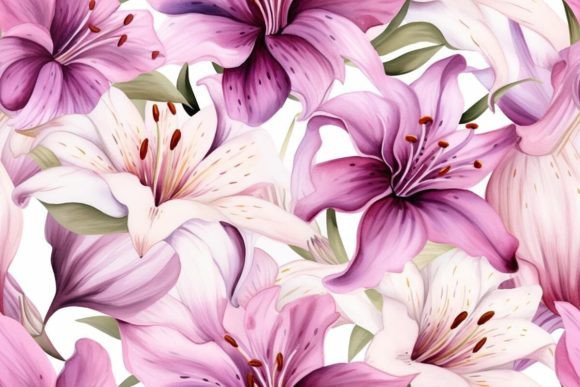
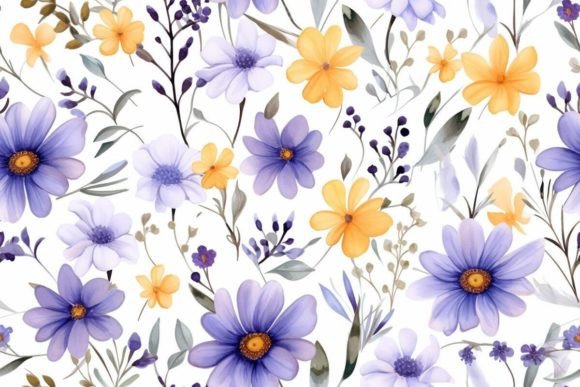
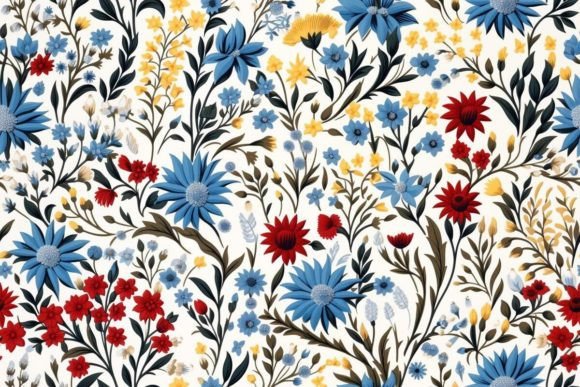
The core value of this wallpaper lies in its modular nature. Unlike large-scale murals that dictate a single focal point, tileable floral designs offer consistency. They allow for seamless repetition without obvious breaks, making them ideal for backgrounds in digital interfaces, print media, or virtual staging environments. When you approach Plant Patterns Tile Floral Wallpaper with a process-oriented mindset, you move beyond simple decoration and start utilizing it as a structural tool for organization and brand identity.
Understanding the Asset and Its Technical Foundation
Before integrating this pattern into any project, it is crucial to understand the deliverables. The standard package for Plant Patterns Tile Floral Wallpaper typically includes a ZIP archive containing high-resolution assets. Specifically, users receive one primary JPG file designed for tiling. While the filenames provided in such archives may be randomly generated and potentially misleading, the content itself remains the definitive source of truth. Relying on the visual data rather than the metadata ensures accuracy during the implementation phase.
The quality of the image dictates its utility across different platforms. A 300 DPI resolution is generally required for physical printing, ensuring that the delicate details of the leaves and flowers remain crisp when scaled up. Conversely, for web-based applications or digital presentations, optimized versions of the same pattern ensure fast load times without sacrificing the integrity of the floral motif. Understanding this distinction is vital for marketers and publishers who must balance visual fidelity with performance metrics.
- File Format: High-resolution JPG compatible with major editing software.
- Tileability: Designed to repeat seamlessly horizontally and vertically.
- Resolution: Optimized for both screen display and physical medium reproduction.
Pre-Project Planning and Visual Strategy
Integration begins long before the actual application of the wallpaper. In the planning stage, professionals must determine where the pattern fits best within their strategic goals. For a small business owner launching a new product line, Plant Patterns Tile Floral Wallpaper might serve as the foundational texture for packaging design or website headers. The organic feel of the floral tiles can soften corporate branding, making it more approachable while maintaining a professional edge.
For educators and bloggers, this asset offers a unique opportunity to enhance engagement. Using a subtle floral background behind text-heavy articles or presentation slides can reduce cognitive load. The repetitive nature of the pattern provides a calming visual anchor, allowing the audience to focus on the content without being distracted by chaotic imagery. However, this requires careful consideration of contrast. If the floral elements are too dense or vibrant, they compete with the text. The key is to treat the wallpaper as a supporting character in the narrative, not the lead actor.
When preparing for implementation, creators should test the pattern at various scales. What looks balanced on a mobile screen might appear overwhelming on a desktop monitor or a printed poster. This testing phase is part of the quality control process. By simulating the final output early, teams can identify potential issues with color bleeding, alignment errors, or visual fatigue before committing resources to production.
Implementation Across Creative and Business Workflows
The true power of Plant Patterns Tile Floral Wallpaper emerges during the execution phase. Whether you are building a mood board, designing a user interface, or setting up a physical studio, the pattern acts as a unifying element. In a creative workflow, consistency is paramount. Using the same tile pattern across multiple touchpoints—from social media graphics to email newsletters—creates a cohesive brand identity. This repetition reinforces recognition and trust among your audience.
For freelancers and consultants, this asset can be a quick solution for client proposals. Instead of starting from scratch with a blank canvas, applying a refined floral tile provides an immediate sense of polish. It signals attention to detail and an investment in aesthetics. When presenting ideas to stakeholders, a well-executed background demonstrates professionalism and reduces the friction of reviewing raw concepts. The pattern sets a tone of growth and vitality, which aligns well with forward-thinking business strategies.
In the context of personal productivity and home offices, the application shifts slightly but remains equally significant. For remote workers, the visual environment directly impacts mental state. Installing Plant Patterns Tile Floral Wallpaper in a virtual meeting background or physically in a home office can induce a sense of calm and focus. The natural elements mimic the benefits of biophilic design, connecting the indoor workspace with the outdoors. This psychological effect is particularly useful during high-stress periods or complex problem-solving sessions.
Compatibility and Integration with Other Tools
No asset exists in a vacuum. To maximize the utility of the wallpaper, it must integrate smoothly with existing tools and platforms. Modern design software like Adobe Photoshop, Illustrator, and Canva supports layering and blending modes that allow the floral pattern to interact dynamically with other elements. For instance, using a "Multiply" or "Overlay" blend mode can make the pattern appear as if it is printed on paper rather than floating above it.
Web developers can implement this pattern using CSS background properties. By defining the image as a repeating background, they can create responsive layouts that adapt to different screen sizes without losing the integrity of the design. This technical flexibility ensures that the aesthetic vision translates accurately from the designer's desk to the end-user's browser. Furthermore, the lightweight nature of the JPG format means it does not significantly impact page speed, a critical factor for SEO and user retention.
When collaborating with teams, clear communication about the asset is essential. Since the filename may be random, sharing the visual preview alongside the file ensures everyone is working with the correct version. Establishing a shared library where the Plant Patterns Tile Floral Wallpaper is stored prevents version control issues. This organizational step streamlines the workflow, allowing team members to access the resource quickly and apply it consistently across different projects.
Maintaining Quality and Long-Term Consistency
Sustainability in design is not just about environmental impact; it is also about the longevity of the visual system. A high-quality tile pattern should withstand the test of time without appearing dated. The classic nature of floral motifs often lends itself to enduring appeal, making them a safe choice for long-term branding. However, regular audits of the visual assets are necessary to ensure they still align with current trends and brand guidelines.
Quality control extends to the usage of the pattern. Avoid stretching or distorting the image, as this ruins the tile logic and creates visible seams. Always maintain the original aspect ratio. Additionally, consider the color palette. If your brand colors shift over time, ensure the wallpaper can be adjusted via filters or overlays to match the new direction without requiring a complete redesign. This adaptability saves time and resources in the long run.
Feedback loops are also part of the maintenance process. Just as you would seek reviews for a product, observe how your audience interacts with the patterned designs. Are they engaging more? Is the conversion rate higher? These metrics provide valuable insights into whether the visual strategy is effective. If the pattern feels out of place, be prepared to pivot. Flexibility is a hallmark of a robust workflow.
Optimizing for Engagement and Support
In the digital ecosystem, community feedback drives improvement. For those distributing or utilizing resources like Plant Patterns Tile Floral Wallpaper, encouraging interaction is a smart practice. Leaving a review or providing feedback helps refine the asset for future users. It creates a cycle of continuous improvement where the community contributes to the quality of the resource.
Following creators or providers for more products ensures a steady stream of fresh ideas and tools. Staying connected with the source allows professionals to discover complementary assets that can further enhance their workflows. Whether it is matching fonts, coordinating color palettes, or finding additional textures, a network of resources amplifies the effectiveness of individual tools.
Ultimately, the goal is to create a seamless experience for both the creator and the consumer. By treating Plant Patterns Tile Floral Wallpaper as a functional component of a larger system rather than a standalone decoration, professionals can unlock its full potential. From the initial concept to the final deployment, every step should be guided by clarity, efficiency, and a commitment to quality. When executed with precision, this simple floral tile becomes a powerful driver of visual success.
As you incorporate this pattern into your next project, remember that the details matter. Check the resolution, verify the tiling, and ensure the contrast works for your specific use case. With the right preparation and a strategic approach, Plant Patterns Tile Floral Wallpaper can elevate your work, bringing a touch of nature and order to even the most complex digital or physical environments.