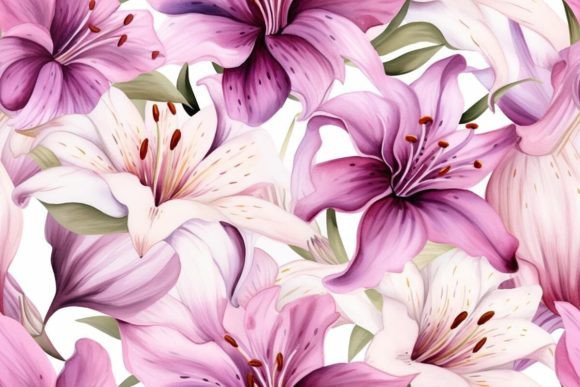
Repeating Patterns Floral Wallpaper: A Practical Guide to Avoiding Common Pitfalls
Repeating Patterns Floral Wallpaper has long been a staple in interior design, offering a timeless way to transform a room from mundane to magnificent. Whether you are a seasoned decorator or a first-time renter looking to add personality to a rental space, the allure of floral motifs is undeniable. They bring nature indoors, soften architectural lines, and create an atmosphere that feels both curated and lived-in. However, the journey from selecting a digital file or physical roll to seeing it on your wall is fraught with potential missteps. Many users rush into this process without understanding the nuances of pattern alignment, scale, and file specifications, leading to disappointing results that waste time, money, and effort.
The core issue often lies in a misunderstanding of what "repeating" actually means in the context of wallpaper design. A repeating pattern is not just a pretty picture; it is a mathematical arrangement designed to tile seamlessly across a surface. When choosing Repeating Patterns Floral Wallpaper, especially in digital formats, the expectation of perfection can clash with the reality of installation. The most common mistake beginners make is focusing solely on the visual appeal of the thumbnail image while ignoring the technical details of the repeat unit. This oversight can result in visible seams, awkward cuts at corners, or a pattern that looks disjointed once installed, completely ruining the intended aesthetic flow.
Navigating Digital Downloads and File Expectations
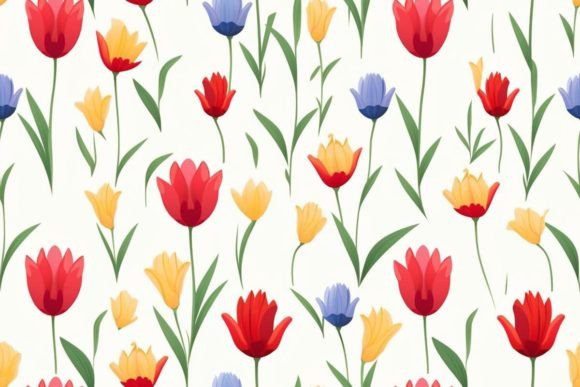
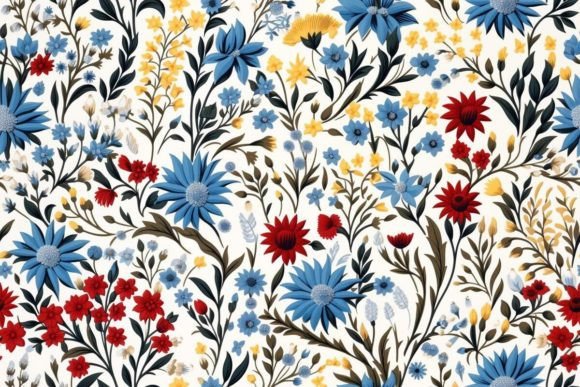
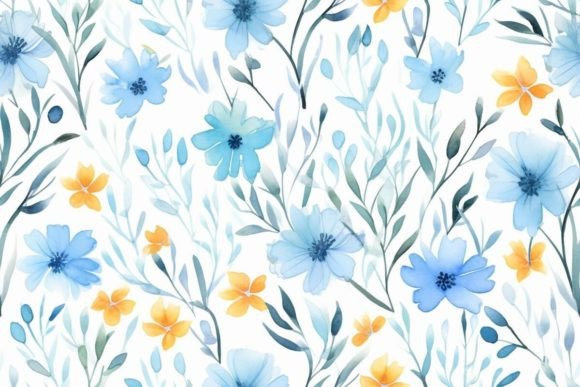
In the modern era, many consumers turn to digital marketplaces for wallpaper solutions. It is crucial to approach these downloads with a clear head. When you encounter a listing that includes a ZIP file containing a single JPG, you must temper your expectations immediately. The note often found in these descriptions—that titles are randomly generated and may be misleading—is a critical warning sign that should not be ignored. Relying on the title to describe the specific floral motif or color palette is a recipe for confusion. Instead, the focus must shift entirely to the product images provided.
If the description states that the file contains only one JPG, understand that this is likely a preview or a sample tile rather than a full-scale mural. Using a low-resolution preview as a guide for a large wall area is a significant error. If you attempt to scale up a small image to cover an entire wall, the pixels will stretch, causing blurriness and loss of detail. The delicate petals of a floral design will look muddy, and the texture of the paper will be lost. To avoid this, always check the resolution dimensions before purchasing. A high-quality digital wallpaper intended for printing should have sufficient DPI (dots per inch) to remain crisp when enlarged. If the seller does not specify the resolution, assume it is for screen display only and not for physical application.
The Misconception of Seamless Tiling
Another frequent misunderstanding involves the concept of "seamless" tiling. Just because a pattern repeats does not mean it will align perfectly in every scenario. Professional installers know that walls are rarely perfectly straight, and corners are often uneven. If you choose a bold, large-scale floral print without accounting for these imperfections, the pattern mismatch becomes glaringly obvious. A smaller, more intricate floral design might hide minor alignment errors better than a massive bloom that demands precision.
To ensure success, you should verify the type of repeat before buying. There are several types of repeats, including straight match, drop match, and half-drop match. A straight match requires the pattern to align horizontally at the same height on adjacent strips. A drop match shifts the pattern by half the repeat height, which can be more forgiving but also more complex to calculate. If you are DIY-ing the installation, failing to account for the specific repeat type can lead to excessive waste. You might find yourself cutting off large portions of the pattern to force a match, driving up the cost significantly. Always ask for a repeat diagram or a detailed explanation of how the tiles connect.
Physical Application vs. Digital Visualization
Even when working with physical rolls, the transition from the store shelf to the living room can be jarring. Color perception varies wildly depending on lighting conditions. A Repeating Patterns Floral Wallpaper that looks vibrant and fresh under the bright fluorescent lights of a showroom may appear dull or overly dark in the natural light of your home. Similarly, the texture of the material plays a huge role. A flat digital image cannot convey the depth of embossed paper or the sheen of vinyl. What looks like a subtle accent in a photo might dominate the room in person, making the space feel cluttered rather than elegant.
Before committing to a full purchase, it is wise to order a sample. This step is non-negotiable for anyone serious about their interior design choices. A sample allows you to test the adhesive, see how the pattern aligns physically, and observe the colors in your specific environment at different times of the day. Skipping this step often leads to the frustration of having to strip the wallpaper down after a few weeks because it simply doesn't work in the space. The cost of a sample is negligible compared to the labor and materials wasted on a failed installation.
Evaluating Quality and Durability
For those considering this for commercial spaces or high-traffic areas, durability is paramount. Not all floral wallpapers are created equal. Some are designed purely for aesthetics and lack the scrubbability required for hallways or kitchens. If you select a delicate, vintage-style floral print made of porous paper, you risk staining it with the first accidental touch. Conversely, a heavy-duty vinyl might be durable but could look too industrial for a cozy bedroom. Balancing the visual style with functional requirements is a skill that takes practice.
When evaluating a product, look beyond the pretty picture. Check the backing material, the coating, and the recommended cleaning methods. If the product description is vague regarding maintenance, it is safer to assume it requires delicate handling. Furthermore, consider the longevity of the design. Trends come and go, but a classic floral pattern tends to age gracefully. However, if the pattern is too trendy or specific to a fleeting fad, you may find yourself wanting to change it sooner than anticipated. Choose a design that appeals to your personal taste regardless of current market trends.
Making the Right Choice
The path to a beautiful wall treatment is paved with careful research and realistic expectations. By focusing on the actual product images rather than misleading titles, verifying file resolutions for digital downloads, and understanding the mechanics of pattern repeats, you can avoid the most common pitfalls. Remember that the goal is not just to cover a wall but to enhance the space harmoniously. Take the time to order samples, measure accurately, and plan for the specific type of repeat involved.
Whether you are a professional designer sourcing assets for a client project or a homeowner trying to fix up a tired apartment, the principles remain the same. Attention to detail separates a mediocre job from a stunning transformation. Do not let a rushed decision lead to a regrettable outcome. With the right preparation, Repeating Patterns Floral Wallpaper can serve as the perfect backdrop for your life, adding warmth, character, and beauty to your surroundings. Always prioritize quality and accuracy over speed, and your investment will pay dividends in satisfaction and style for years to come.