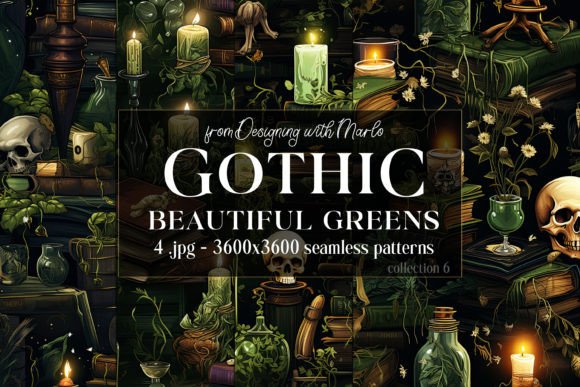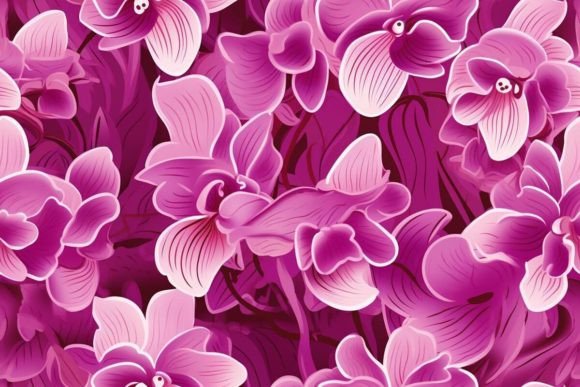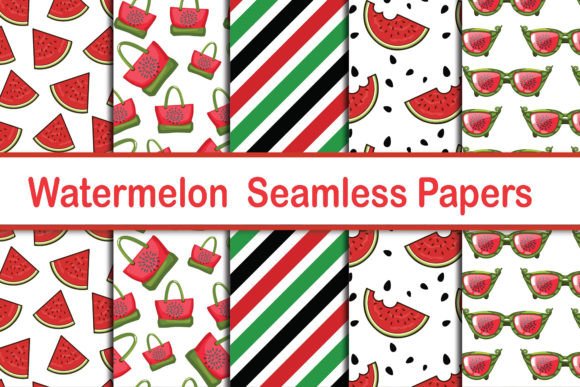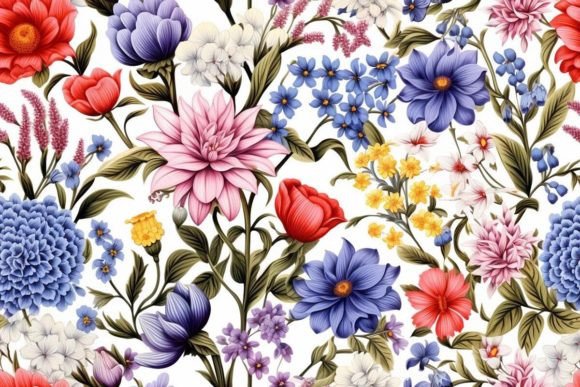
Tile Illustration Plant Patterns: A Comprehensive Evaluation
In the realm of digital design assets, Tile Illustration Plant Patterns represents a specific category of vector and raster graphics designed for seamless repetition. These assets are primarily utilized by interior designers, graphic artists, and textile manufacturers who require organic motifs to decorate surfaces. The collection typically consists of high-resolution files featuring botanical elements arranged in a way that allows them to be tiled without visible seams. While the market offers numerous variations of floral and leafy designs, understanding the specific utility and limitations of this type of asset is crucial for making an informed purchasing decision.
Understanding the Asset Structure
The core value of Tile Illustration Plant Patterns lies in their technical composition and versatility. When evaluating such a product, it is essential to recognize that these are not merely static images but functional tools for surface coverage. The package usually includes a JPG file, which serves as a preview or a ready-to-use texture. However, potential users must note that the accompanying metadata, such as titles, may be randomly generated. This discrepancy means that relying solely on the filename can be misleading.
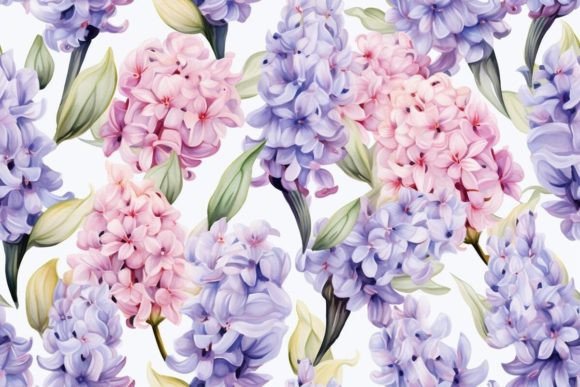
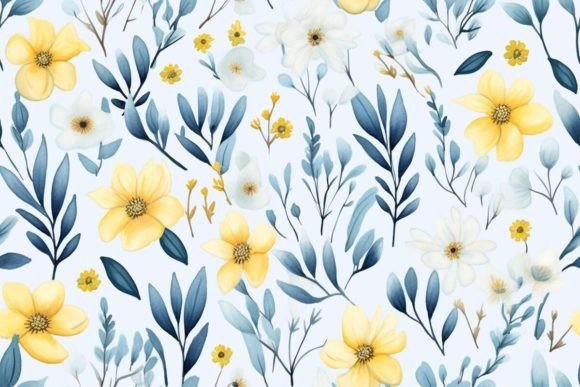
The primary focus should always remain on the visual content of the product images rather than the descriptive text. In many cases, a title might suggest a specific plant species, such as "Monstera Delight," while the actual illustration depicts a generic fern or abstract foliage. Therefore, the evaluation process requires a direct inspection of the provided thumbnails to ensure the botanical style matches the intended project requirements. This distinction between the label and the visual reality is a critical factor in managing expectations before acquisition.
Reasons for Interest and Application
Designers often seek out Tile Illustration Plant Patterns to introduce natural elements into digital or physical media without the need for custom illustration. The appeal of these patterns stems from their ability to convey a sense of calm, growth, and organic beauty. They are particularly popular in:
- Interior Design Visualization: Creating realistic renderings of wallpaper, upholstery, and flooring where botanical themes are desired.
- Textile and Fashion: Developing fabric prints for clothing, scarves, and home textiles like curtains and cushions.
- Graphic Packaging: Adding eco-friendly aesthetics to product packaging for cosmetics, tea, or organic foods.
- Digital Backgrounds: Providing subtle textures for website backgrounds, presentation slides, or mobile app interfaces.
The seamless nature of these tiles allows for infinite expansion. Whether a designer needs a pattern to cover a small logo background or a massive architectural wall, the underlying algorithm ensures that the image repeats uniformly. This scalability is a significant advantage over single-image illustrations, which would become pixelated or require complex cropping when scaled up.
Benefits and Practical Considerations
One of the most significant benefits of using pre-made tile patterns is efficiency. For professionals working under tight deadlines, creating a unique plant motif from scratch can be time-consuming. Acquiring a Tile Illustration Plant Pattern provides an immediate solution that maintains high visual quality. The use of standard formats like JPG ensures broad compatibility with various software applications, including Adobe Photoshop, Illustrator, and Canva.
However, there are tradeoffs that must be considered during the selection process. The reliance on a single JPG file format can limit editing capabilities compared to vector-based assets (such as SVG or EPS). Raster images lose quality when resized significantly, especially if the original resolution is low. Furthermore, because the titles may be random, the discovery phase can be inefficient. Users cannot rely on search terms to find exactly what they need; instead, they must visually scan through multiple options.
Another consideration is the licensing and usage rights associated with the download. While the prompt mentions a ZIP file containing specific assets, the legal framework for using these images varies. Some licenses restrict commercial use, while others allow unlimited modification. It is imperative to review the terms of service before integrating the pattern into a client project. Additionally, the aesthetic style of the illustration—whether it is hand-drawn, watercolor, or geometric—must align with the brand identity of the end user.
Situations Where This Asset is a Strong Fit
Tile Illustration Plant Patterns are an excellent fit for projects requiring a quick, professional finish where customization is secondary. If a user is designing a mockup for a client presentation and needs to demonstrate how a botanical wallpaper looks in a room, these tiles provide an immediate visual reference. Similarly, for hobbyists or students learning about texture mapping, these assets offer a practical way to understand how patterns interact with 3D models or flat layouts.
The asset is also highly suitable for users who prefer a specific artistic style found within the preview images. If a designer finds a particular arrangement of leaves or flowers that perfectly captures the mood of their project, having a seamless version of that exact design saves hours of work. The ability to layer these patterns over different colors or blend modes further enhances their utility in digital compositing.
When Alternatives May Be Worth Considering
Despite their utility, these patterns are not universally applicable. For projects requiring absolute precision in scaling, such as large-format printing or billboard design, vector-based alternatives are superior. Vector files allow for infinite resizing without any loss of sharpness, whereas a JPG tile will eventually show jagged edges or blurriness. If the goal is to edit individual leaves or change the color of specific petals within the pattern, a raster image presents a significant hurdle compared to editable vector paths.
Furthermore, if the random nature of the titles is a major concern, users might prefer platforms that offer advanced filtering systems based on tags, color palettes, or specific plant species. In scenarios where a unique, non-repeating composition is required, a standard tile pattern is insufficient. In such cases, commissioning a custom illustration or utilizing a library of isolated botanical elements that can be manually arranged would yield better results.
Decision-Making Insights
To determine whether Tile Illustration Plant Patterns aligns with your goals, start by defining the end-use of the image. Ask yourself if the project requires high-resolution scalability or if a standard web-ready size is sufficient. Evaluate the visual fidelity of the sample images closely, ignoring the text descriptions. If the botanical style resonates with your vision and the technical constraints of your workflow are met, the asset is likely a worthwhile investment.
Additionally, consider the long-term flexibility of the file. Will you need to extract specific elements later? If so, ensure the source file allows for easy separation or opt for a higher-tier version if available. Finally, verify the reputation of the provider. User reviews often highlight issues regarding file integrity or unexpected changes in image quality, providing valuable insights that go beyond the product description.
In conclusion, Tile Illustration Plant Patterns serve as a valuable resource for adding organic texture to design projects. By focusing on the visual evidence provided in the product images and understanding the technical limitations of the file format, users can effectively integrate these assets into their workflows. Whether for personal experimentation or professional application, the key to success lies in careful evaluation and realistic expectation management.