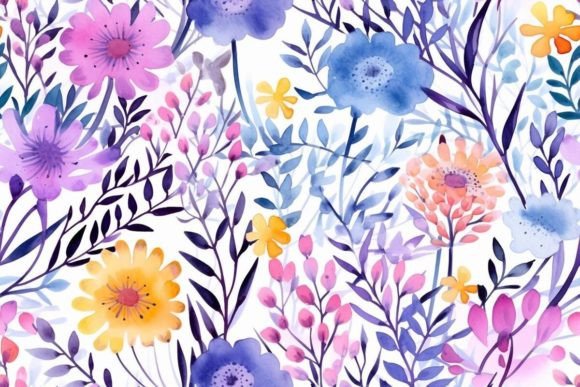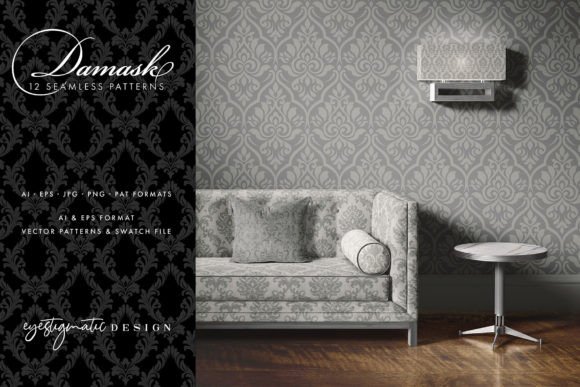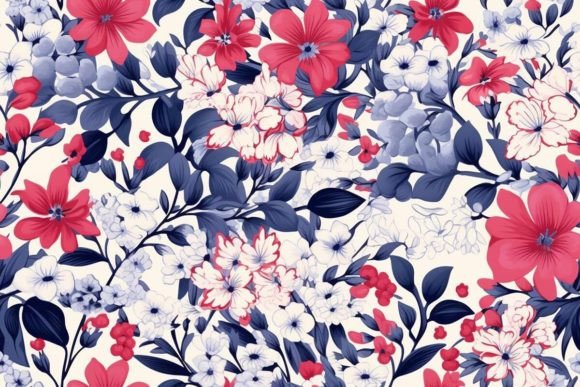
Mastering Repeating Patterns for Modern Design
In the fast-paced world of visual communication, Repeating Patterns serve as the silent architects that transform flat surfaces into immersive brand experiences. While they might seem like simple background decorations, these intricate sequences are powerful tools that define texture, establish rhythm, and guide the viewer's eye through a composition with precision.
When executed correctly, a well-crafted pattern does more than fill space; it reinforces brand identity and creates an immediate emotional connection with your audience. Whether you are designing a mobile application interface or crafting luxury packaging, the strategic use of repetitive elements can elevate a project from ordinary to exceptional. Understanding the nuances of these designs is essential for any professional looking to refine their creative workflow and deliver high-impact results.
The Strategic Role of Patterns in Brand Identity
At the core of effective branding lies consistency, and Repeating Patterns are perhaps the most versatile asset for achieving this. Unlike a static logo, a pattern offers a flexible framework that can adapt across various mediums while maintaining a cohesive visual language. It acts as a signature element that makes a brand instantly recognizable, even when the logo itself is absent.
For businesses aiming to build a strong market presence, integrating unique patterns into their visual system creates a distinct atmosphere. Consider how major fashion houses or tech giants utilize subtle textures in their digital ads and physical merchandise. These designs create a sense of familiarity and trust, signaling professionalism and attention to detail. When a customer sees a specific geometric arrangement or organic motif, they immediately associate it with the values and quality of the company behind it.
Practical Applications Across Industries
The versatility of repeating motifs extends far beyond simple aesthetics. They are integral to solving complex design challenges in multiple sectors:
- Social Media Graphics: Use patterns to create consistent backgrounds for posts, ensuring your feed looks unified and polished without overwhelming the primary message.
- Web and UI Design: Subtle textures can add depth to user interfaces, preventing large areas of solid color from feeling flat and boring.
- Packaging Design: A custom pattern on a box or bottle wrapper can turn a product into a shelf standout, communicating premium quality before a consumer even reads the label.
- Editorial Layouts: In magazines and reports, patterns can separate sections or highlight key data points, improving readability and visual hierarchy.
- Merchandise and Advertising: From t-shirts to billboards, patterns allow brands to extend their identity onto tangible products and large-scale campaigns.
Selecting and Evaluating Design Elements
Creating a successful pattern requires more than just arranging shapes randomly. It demands a thoughtful approach to graphic design principles such as balance, contrast, and scalability. Before integrating a new asset into your project, consider how it interacts with your existing color palette and typography. The goal is harmony, not competition.
If your brand relies on bold, sans-serif fonts, a delicate floral pattern might get lost or create visual clutter. Conversely, a minimalist geometric pattern could perfectly complement a modern, clean aesthetic. Always test your design at different sizes to ensure it remains legible and effective whether viewed on a smartphone screen or a large-format print banner. Scalability is crucial for maintaining a professional presentation across all touchpoints.
Additionally, pay close attention to the concept of visual hierarchy. The pattern should support the content, not distract from it. If the text becomes difficult to read against a busy background, adjust the opacity or scale of the pattern to restore clarity. This balance ensures that your message is communicated effectively while still benefiting from the rich texture the design provides.
Enhancing User Experience and Engagement
In the realm of UX design, patterns play a subtle yet significant role in guiding user behavior. They can indicate interactive areas, signal transitions between sections, or simply provide a pleasing backdrop that keeps users engaged longer. A well-designed pattern can reduce cognitive load by creating predictable visual cues, making navigation feel intuitive and seamless.
Furthermore, these assets are invaluable for digital marketing efforts. Consistent visual themes help reinforce campaign messages, making advertisements more memorable. When a user encounters a familiar pattern in an email newsletter or a landing page, it builds a subconscious link to previous positive interactions with the brand.