Mastering Repeating Patterns in Product Design: The Motif That Drives Brand Identity
In the dynamic world of visual communication and commercial aesthetics, few elements are as powerful or ubiquitous as the repeating pattern. Whether you are browsing a clothing store, scrolling through an interior design catalog, or examining the packaging of your favorite beverage, you are likely encountering a carefully crafted product design motif. These motifs are not merely decorative flourishes; they are strategic tools that define brand identity, create visual harmony, and guide consumer behavior. Understanding how to leverage repeating patterns can transform a generic product into a memorable experience.
What Exactly Is a Repeating Pattern?
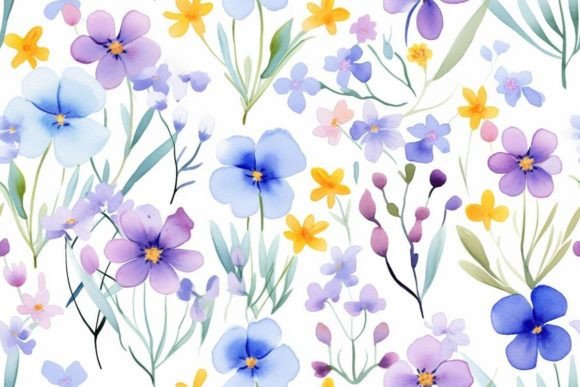
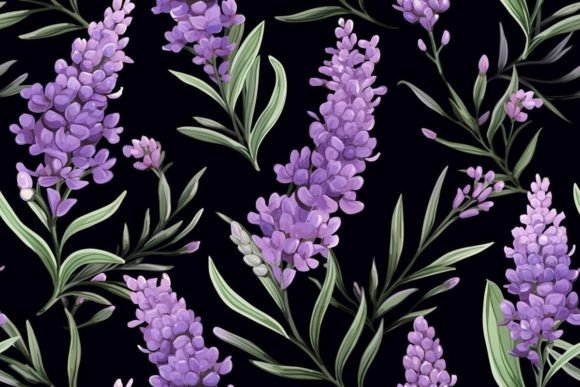
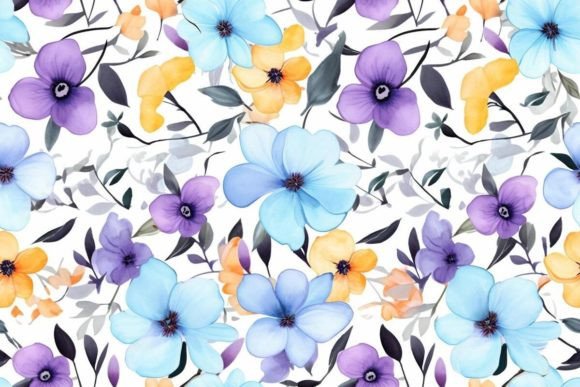
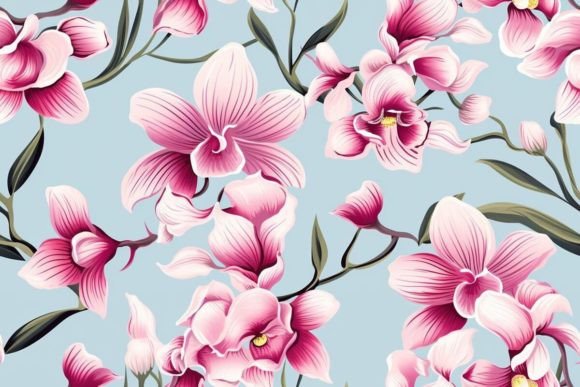
At its core, a repeating pattern is a sequence of design elements—known as motifs—that repeats at regular intervals across a surface. This repetition creates a sense of rhythm and continuity. In the context of product design, this technique allows designers to cover large areas efficiently while maintaining a cohesive look. The "motif" is the individual unit of the design, which could be a simple geometric shape, a complex floral illustration, a typographic element, or an abstract texture.
When we talk about repeating patterns product design motif, we are referring to the specific application of these units to create a larger visual narrative. Unlike a single image that tells a story once, a repeating pattern tells a story continuously. It wraps around objects, fills backgrounds, and creates an immersive environment for the viewer. This is why it is a staple in industries ranging from fashion and textiles to digital user interfaces and architectural interiors.
The Anatomy of a Successful Motif
To understand why some patterns captivate us while others feel chaotic, one must look at the anatomy of the motif itself. A successful motif possesses several key characteristics:
- Simplicity and Clarity: The individual element must be distinct enough to be recognized even when repeated rapidly.
- Scalability: The design must work equally well on a small tag as it does on a large wall covering.
- Rhythm: The spacing between repetitions (the repeat) dictates the pace of the visual experience. Tighter repeats feel energetic and busy, while wider repeats feel calm and luxurious.
- Contextual Fit: The motif must align with the product's function and target audience.
It is important to note that while titles and descriptions in design asset libraries may sometimes use random or misleading keywords, the true value lies in the visual content itself. As creators often emphasize, focusing on the product images rather than just the metadata is crucial for selecting the right aesthetic for your project.
The Strategic Significance of Repetition in Business
Why do businesses invest so heavily in creating unique repeating patterns? The answer lies in psychology and branding. Repetition is a fundamental principle of human cognition. Our brains are wired to recognize patterns; it helps us make sense of the world quickly. When applied to product design, this cognitive shortcut becomes a powerful marketing tool.
Brand Recognition
A consistent motif acts as a visual signature. Think of iconic brands like Burberry or Louis Vuitton; their products are instantly recognizable due to their specific repeating patterns. When a customer sees that motif, they immediately associate it with quality, heritage, and status. By integrating a custom repeating pattern product design motif into packaging, uniforms, or digital assets, companies reinforce their brand identity every time a customer interacts with them.
Visual Consistency Across Media
In today's omnichannel retail environment, consistency is king. A repeating pattern ensures that a brand looks the same whether it appears on a physical shelf, a mobile app screen, or a social media post. This uniformity builds trust. If a customer has a positive experience with a product featuring a specific design language, they are more likely to trust other products bearing that same visual cue.
Practical Applications in Modern Life and Work
The utility of repeating patterns extends far beyond mere decoration. They play functional roles in various sectors of modern life.
1. Fashion and Textiles
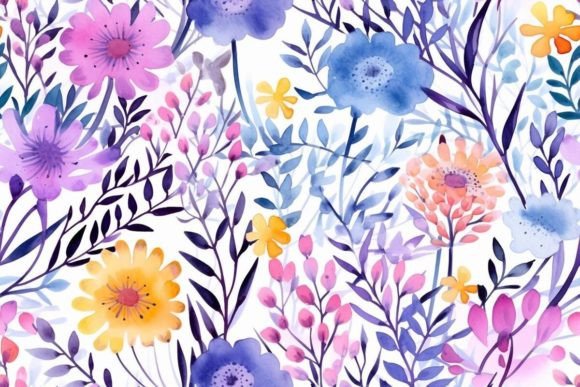
This is perhaps the most visible application. From the subtle herringbone weave in a suit jacket to the bold paisley prints on summer dresses, patterns dictate trends. Designers use repeating motifs to create collections that feel unified. For instance, a "botanical" theme might use a specific leaf motif repeated in different colors across a range of garments, creating a cohesive line that customers can mix and match.
2. Interior Design and Architecture
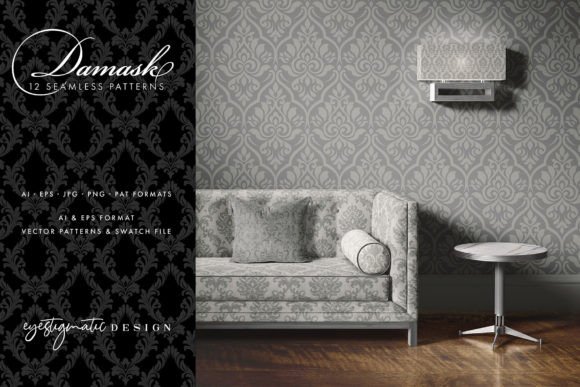
In home decor, repeating patterns are used to manipulate space. Vertical stripes can make a room appear taller, while horizontal repeats can widen a space. Wallpaper, rugs, and upholstery rely heavily on these designs to set the mood of a room. A kitchen backsplash with a geometric repeating motif adds a layer of sophistication without overwhelming the senses.
3. Digital Product Design
Surprisingly, the concept translates perfectly to the digital realm. Web designers use background patterns to add depth to flat interfaces. App developers use iconography sets that act as repeating motifs to ensure navigation feels intuitive. Even in data visualization, patterns help users distinguish between different datasets at a glance.
Navigating Common Misunderstandings
Despite their prevalence, there are several misconceptions about using repeating patterns in product design that can lead to poor results.
Misconception 1: More Detail Equals Better Design
Many beginners believe that a highly detailed, intricate motif will always look more premium. However, complexity can lead to visual noise. If the motif is too dense, it can become indistinguishable when repeated, causing eye strain or making the product look cheap. Often, a simpler, bolder motif creates a stronger impact.
Misconception 2: Patterns Are Only for Backgrounds
While patterns are excellent for backgrounds, they should not be limited to them. In product design, the motif can be the hero. Imagine a smartphone case where the repeating pattern is embossed into the material itself, creating a tactile experience that enhances the grip and aesthetic appeal simultaneously.
Misconception 3: One Size Fits All
A pattern that works beautifully on fabric might fail miserably on rigid plastic or metal. The medium matters. Designers must consider how the motif interacts with the material's texture, light reflection, and flexibility before finalizing the design.
How to Build a Stronger Design Strategy
If you are looking to incorporate repeating patterns into your own projects, start by defining the purpose of the motif. Is it meant to evoke nostalgia? To signal eco-friendliness? To convey luxury? Your answer will dictate the style of the pattern.
- Analyze Your Competitors: Look at what patterns are currently dominating your niche. Can you find a way to differentiate your motif while staying relevant?
- Focus on the Image: As noted in many professional asset guidelines, titles can be misleading. Always prioritize the visual preview. Ensure the resolution is high enough for your intended use and that the color palette matches your brand guidelines.
- Test the Repeat: Never assume a motif looks good just because it looks good as a single tile. Create a full swatch or mockup to see how the pattern flows across the entire surface. Look for awkward seams or disjointed rhythms.
- Gather Feedback: Just as creators encourage followers to leave reviews for support, gather feedback from your target audience. Does the pattern resonate with them? Does it enhance the perceived value of the product?
The Future of Pattern Design
As technology advances, the possibilities for product design motifs are expanding. Generative AI is now being used to create infinite variations of repeating patterns, allowing for hyper-personalization. Imagine a sneaker brand that generates a unique repeating pattern for every pair sold based on customer preferences. Furthermore, sustainable design is pushing for patterns that utilize less ink or dye, encouraging minimalist motifs that reduce environmental impact.
Whether you are a seasoned graphic designer, a business owner looking to refresh your brand, or a student learning the fundamentals of visual arts, mastering the art of the repeating pattern is essential. It is a bridge between functionality and emotion, turning ordinary objects into extraordinary experiences.
By understanding the underlying principles of rhythm, balance, and meaning, you can harness the power of these designs to communicate effectively. Remember, the goal is not just to fill space, but to tell a story that resonates. So, when exploring design resources, focus on the visual potential of the images, ignore misleading titles, and let the repeating pattern do the heavy lifting for your creative vision.