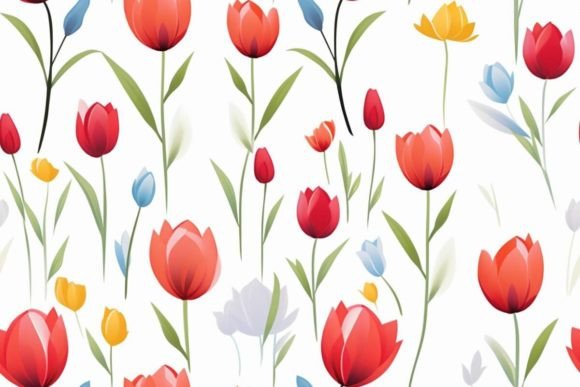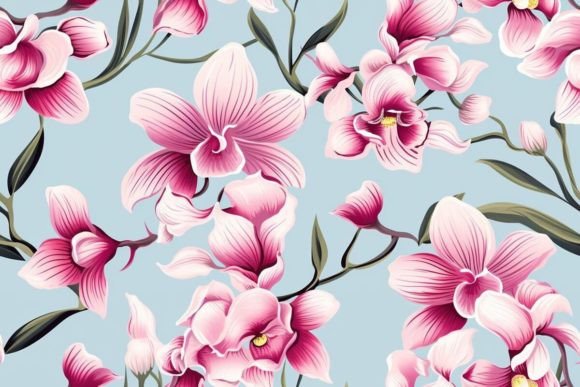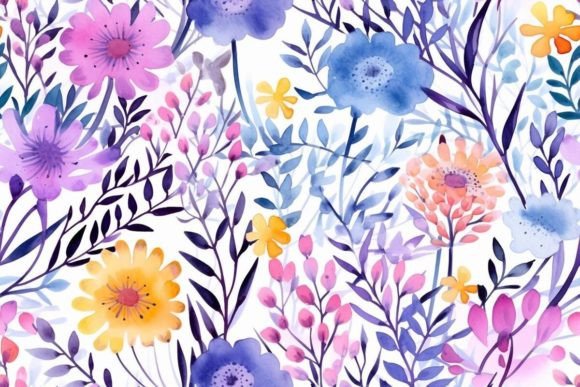
Repeating Patterns Home Décor
Integrating repeating patterns home décor into a living space is rarely just about selecting a pretty image; it is a strategic decision that impacts the flow, perception of space, and psychological comfort of an environment. For professionals, creators, and business owners who spend significant time at home or utilize their residences for client meetings, the visual rhythm established by these designs serves as a functional tool rather than mere decoration. The process begins with understanding that pattern repetition creates a predictable structure within a chaotic world, offering a sense of order that can enhance focus and productivity.
When approaching this topic, one must look beyond the superficial aesthetic appeal and consider the underlying mechanics of design. A repeating pattern acts as a visual anchor. In the context of a workflow where creativity and logic must coexist, the presence of structured visuals can help ground the mind. Whether you are designing a home office for a marketing team or setting up a creative studio for a freelancer, the choice of wallpaper, textiles, or digital backgrounds featuring repeating motifs plays a critical role in establishing the tone of the workspace before a single task is begun.
The Strategic Role of Visual Rhythm in Planning
Before purchasing any physical assets, the planning phase requires a clear definition of intent. Why do you need repeating patterns? Is it to make a small room feel larger, to create a calming atmosphere for deep work, or to establish a brand identity within a personal space? The answer dictates the scale, color palette, and complexity of the pattern selected. In professional settings, consistency is key. Just as a brand uses a consistent logo across various touchpoints, a room uses repeating patterns to maintain a cohesive narrative.
Consider the concept of "visual noise." If a workspace is cluttered with too many disparate elements, cognitive load increases. Repeating patterns offer a solution by introducing uniformity. When used correctly, they reduce the mental effort required to process the environment, allowing the occupant to direct more energy toward actual tasks. This is particularly relevant for entrepreneurs and educators who may be hosting virtual classes or webinars from home. The background visible on camera sets an immediate impression of professionalism and attention to detail.
However, the integration of these patterns must be handled with precision. The file formats and resolutions available today, such as high-quality JPGs, allow for versatile application. While some titles associated with digital assets might be misleading or generic, the actual visual content—the texture, the alignment, and the color harmony—is what matters. Focusing on the product images themselves ensures that the chosen design will translate well across different mediums, whether printed on fabric, applied as a wall mural, or used as a digital backdrop.
Preparation and Compatibility Assessment
Successful implementation starts with preparation. Before integrating repeating patterns home décor, assess the existing infrastructure of your space. Does the lighting support the colors in the pattern? Will the scale of the motif clash with existing furniture dimensions? These are practical questions that determine long-term usability. A pattern that looks perfect on a screen may appear overwhelming when scaled up to cover an entire wall, or conversely, too subtle to provide the desired effect in a large, open-plan area.
Compatibility extends beyond physical dimensions to include the materials used. If you are working with textiles, consider the durability and maintenance requirements. For busy households or active workspaces, fabrics that are prone to snagging or fading quickly should be avoided unless they serve a temporary function. The goal is to select assets that withstand daily wear while maintaining their structural integrity. This aligns with the broader principle of efficiency: investing time and resources in solutions that require minimal upkeep over time.
Furthermore, digital assets often come with metadata or file names that do not accurately reflect the visual content. Relying solely on text descriptions can lead to mismatches between expectation and reality. It is crucial to verify the visual output directly. If you have specific requirements for the type of imagery needed, communicating this clearly—such as requesting a specific upload type or resolution—ensures that the final product meets the rigorous standards of a professional environment. This level of due diligence mirrors the vetting process used in business procurement, ensuring quality control from the outset.
Implementation Across Different Workflows
The application of repeating patterns varies depending on the specific workflow or project stage. In the pre-project phase, these designs can serve as mood board elements to define the direction of a renovation or a new office setup. They help stakeholders visualize the end result and agree on a shared vision. During the execution phase, they act as guidelines for placement and arrangement. Post-project, they become part of the permanent environment, influencing daily interactions and long-term satisfaction.
For content creators and bloggers, the integration of these patterns can extend into the digital realm. Using a repeating pattern as a header image, a slide background, or a watermark adds a layer of brand consistency that audiences subconsciously recognize. This creates a seamless transition between physical and digital experiences. When a viewer sees a familiar pattern on a blog post, it reinforces the identity of the creator, much like seeing a logo in a physical office.
In educational settings, teachers can use these patterns to organize learning spaces. A classroom with distinct zones defined by different repeating patterns can help students mentally separate activities, such as reading areas versus group work stations. This spatial organization aids in managing behavior and facilitating smooth transitions between tasks. The predictability of the pattern provides a non-verbal cue that helps individuals understand the purpose of a specific area without constant verbal instruction.
Quality Control and Long-Term Consistency
Maintaining the integrity of the design over time is essential for long-term success. As patterns age or as trends shift, the core elements of the design should remain relevant. High-quality repeating patterns possess a timeless quality that does not rely on fleeting fads. This is achieved through careful selection of classic geometric shapes, nature-inspired motifs, or abstract forms that balance boldness with subtlety.
Consistency is also a matter of execution. When applying a pattern to multiple surfaces, such as curtains, cushions, and walls, the alignment must be precise. Misaligned seams or inconsistent spacing can disrupt the visual rhythm, creating a sense of disorder that undermines the intended effect. Attention to detail during installation is therefore a critical component of the overall process. This parallels the importance of version control in software development or editing in publishing; small errors can compound and detract from the final product.
Regular evaluation of the space is necessary to ensure that the décor continues to serve its purpose. Over time, the needs of a household or business may change. A pattern that was once energizing might become distracting, or a design that felt too formal might need softening. Flexibility in approach allows for adjustments without requiring a complete overhaul. This adaptive strategy ensures that the environment evolves alongside the user, maintaining its utility and aesthetic value.
Optimizing for Efficiency and User Experience
Ultimately, the goal of using repeating patterns home décor is to optimize the user experience. Whether the user is a homeowner seeking tranquility or a professional seeking inspiration, the design should facilitate their primary objectives. By reducing visual distractions and providing a structured backdrop, these patterns create an environment where focus can flourish. This is not merely about making a room look good; it is about engineering a space that supports human performance.
To achieve this, users should adopt a methodical approach to selection and installation. Start by defining the desired outcome, then research options that align with those goals. Test samples in the actual lighting conditions of the space to verify color accuracy and scale. Engage with suppliers or communities to gather feedback on the quality and suitability of the products. This collaborative approach ensures that the final result is robust and well-suited to the specific context.
Supporting creators and designers by leaving reviews and providing feedback is also a vital part of the ecosystem. Positive reinforcement helps identify high-quality products and guides others in making informed decisions. It fosters a community of practice where best practices are shared and refined. For those looking to expand their collection or find new resources, following trusted sources for updates ensures access to the latest innovations in design and technology.
In conclusion, integrating repeating patterns into home décor is a thoughtful process that blends aesthetics with functionality. It requires a clear understanding of the environment, a commitment to quality, and a willingness to adapt to changing needs. By treating design as a strategic element of workflow and daily life, individuals can create spaces that not only look beautiful but also perform effectively. The result is an environment that supports productivity, creativity, and well-being, proving that even the smallest details in our surroundings can have a profound impact on our lives.